


Services
Operation Management
Effective operation management of healthcare services should be a priority for both rural and urban India to ensure quality medical assistance to all. Our aim is to provide extensive analysis on the differences between healthcare services offered in rural and urban India and the management of ambulance services for both. Our team of experts suggest strategies to improve healthcare in India.
Rural and Urban Healthcare Services: What's the Difference?
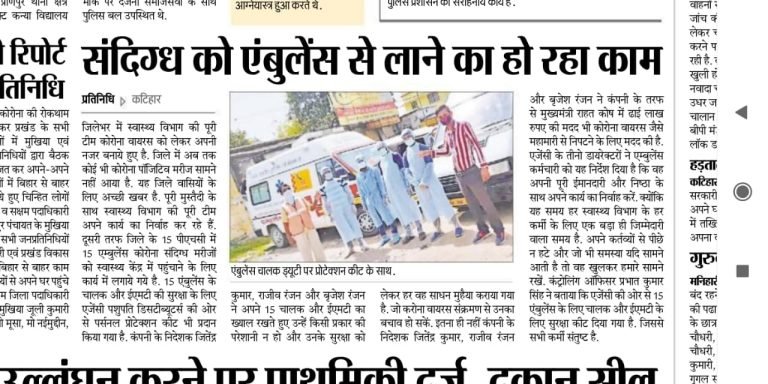
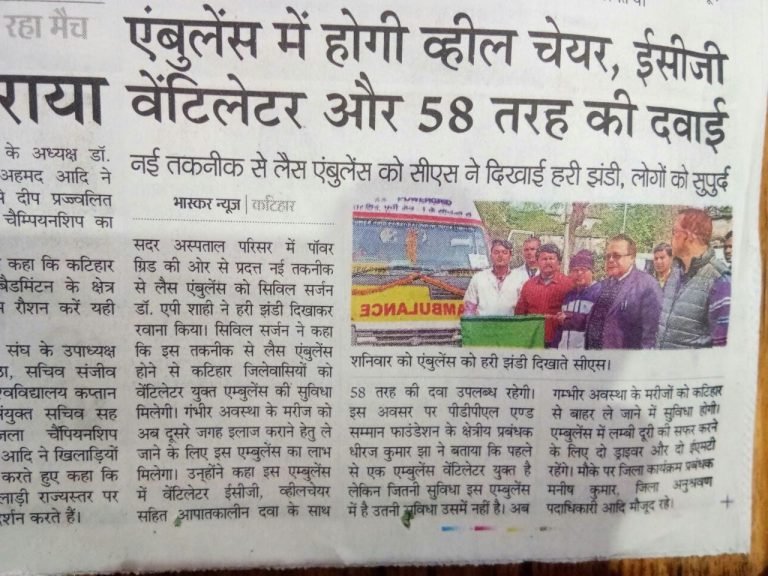
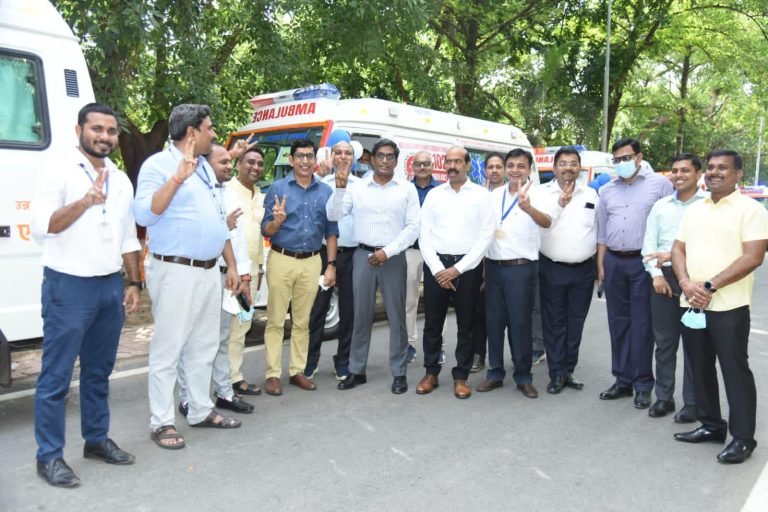
Efficient ambulance services are vital in providing emergency medical care. Learn how our advanced fleet of ambulances, equipped with state-of-the-art medical equipment, are bridging the gap between patients and hospitals in both rural and urban areas.
Accessibility
Rural areas often lack the appropriate infrastructure and medical facilities needed, while urban areas may experience overcrowding and long waiting times.
Cost
Due to a lack of insurance, medical care can be expensive, especially for rural areas where there is a higher percentage of those who live below the poverty line.
Quality of Care
Urban areas tend to have a higher concentration of highly trained medical professionals and top-tier facilities. Rural areas may have less experienced staff and older medical equipment.
Disease Prevalence
Rural areas may be more susceptible to diseases often linked to malnutrition or poor hygiene, while urban areas may be more susceptible to chronic conditions such as diabetes and heart disease.
Managing Healthcare Services
Challenges
Minimal resources and funding, lack of doctors and medical practitioners, lack of awareness about health and hygiene in remote areas.
Solutions
Bridging the gap between rural and urban healthcare services, improving medical infrastructure, developing public-private partnerships, promoting health and hygiene awareness.
The Importance of Effective Ambulance Services in Rural and Urban India
Rural Ambulance Services
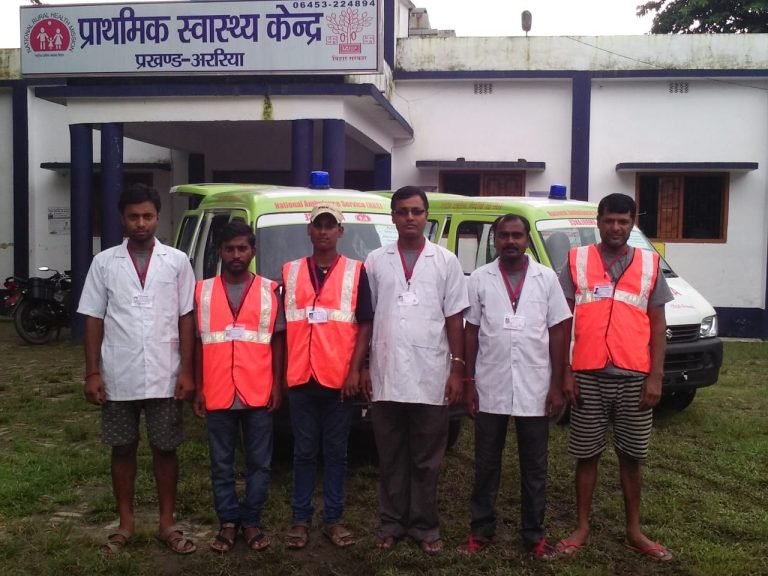
Rural ambulance services are limited, which leads to delays in medical care and fatalities. To improve this, the government should provide more funds for ambulance services and prioritize the training of more paramedics.
Urban Ambulance Services
Due to heavy traffic and population, urban ambulance services face challenges such as delayed response times. To tackle this, live traffic updates should be integrated into ambulance services, emergency medical technicians should be trained to administer quick first aid, and ambulance lanes should be created in highly populated areas.
Improving Ambulance Services for Both Rural and Urban India
Ambulance services in rural areas lack trained medical staff, sufficient funding, and the appropriate technology to handle emergencies.
Ambulance services in urban areas face the challenge of heavy traffic, leading to delayed response times to emergencies and poor communication between the ambulance service and healthcare facilities.
GPS Integration and Real-time Traffic Updates

This technology will help reduce response time and enable ambulances to take the quickest route possible to the medical facility.
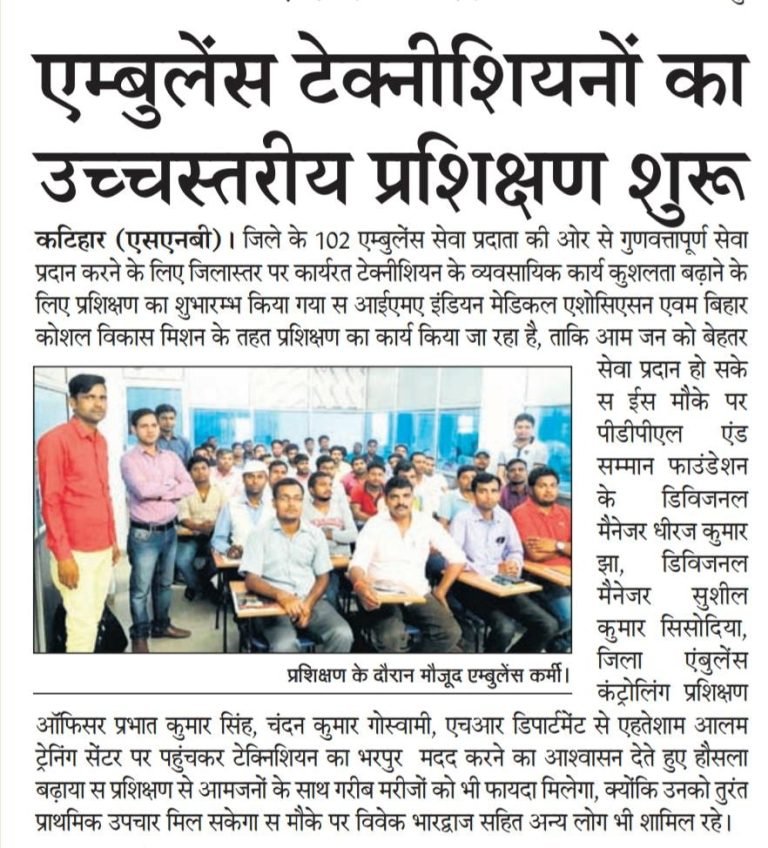
Training Emergency Medical Technicians
This will ensure that prompt and appropriate first aid is administered in case of an emergency and that trained paramedics can handle critical situations.
Public-Private Partnerships
PPP initiatives can help mobilize ambulance services across India and set up newer ambulance service providers with advanced hospitals.
Increased Funding
The government should provide additional funds to ambulance services to better equip ambulances and educate the public about their services.
Collaborative Partnerships
Women's Healthcare
Partnering with organizations dedicated to women’s health can provide a more comprehensive healthcare plan. This can include prenatal care and health education programs in rural areas.
Mental Health
Collaborating with mental health groups can help improve access to counseling services and support groups to help with depression, anxiety, and other mental health issues.
Home Healthcare
Collaborating with home healthcare organizations can increase the accessibility and affordability of medical care for patients who are unable to visit the hospital regularly.


Join the healthy revolution today.
From immunizations to checkups andย preventive care,ย exams, our primary care physicians and providers work to keep you and your whole family healthy and strong each and every day.